Websites for dental clinics
A dental website that talks a nervous patient into booking
Dentists, orthodontists, hygienists and health clinics. Designed around the two reasons people put it off.
Someone has put this off since March to avoid the phone call and the “can I ask what it’s regarding?” A Thursday-morning slot they can take silently, at midnight, changes that.
People put off the dentist because they are anxious about the chair and uncertain about the bill. The first screen answers both: booking without a phone call, and a straight answer on insurance and cost.
Thu 9:40
“Request an appointment” asks for a phone call; Thursday 9:40 asks for a tap.
Why online booking matters more than a phone number here
Many people who avoid the dentist also avoid the phone call about the dentist. Online booking removes it.
So real times show above the fold. "Thursday 9:40" makes the decision concrete in a way "request an appointment" never does.
How do you design a website for anxious patients?
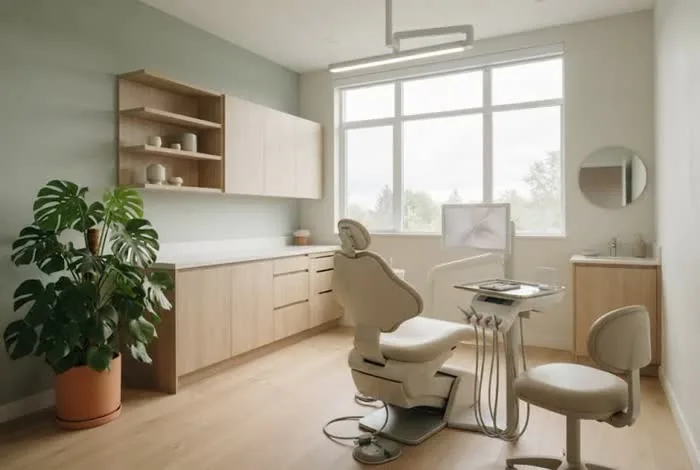
Calm colours, photographs of your actual rooms, and words that admit the fear: "Nervous about the dentist? Say so when you book and we will take it slowly."
Seeing the room first removes a surprising amount of dread. Stock photos of perfect teeth do the opposite.
Should a dental website show prices?
Not a full fee guide, but silence on cost is the second reason people stall. State direct billing, which plans you take, and that the price is given in writing before treatment starts.
And state the new patient exam price: it is the one number people compare.
What about the dentist bio?
Keep it, with a real photograph. "Dr. Priya Raman, DMD, UBC Dentistry, twelve years on Cambie" reassures more than a paragraph of practice philosophy.
Search engines read those credentials too when judging health content.
Questions people ask before they hire
How much does a dental website cost in Vancouver?
A multi-page clinic site is $1,999 one time plus $99 a month, with online booking wired in at no extra cost. Typically a third to a fifth of what dental-specialist agencies quote.
Can you connect it to our booking software?
Yes. Most clinic scheduling systems offer an embed or a booking link, so patients book without leaving the site.
Is a dental website subject to any advertising rules?
Yes. The College of Dental Surgeons of BC has rules, particularly on claims and testimonials. Copy avoids comparative or superiority claims; check the final version against current College guidance.
Do we need a blog?
Only if somebody will keep it going. Three useful pages (a first visit, what fees cover, emergencies) beat a blog abandoned after four posts.
Find out what is stopping people booking
The free audit walks your site as a nervous new patient on a phone and shows where they give up.
The free Field Test: your site tested the way a customer uses it, back within 24 hours with a fixed price. Five fields, no call.
Last updated 2026-08-31